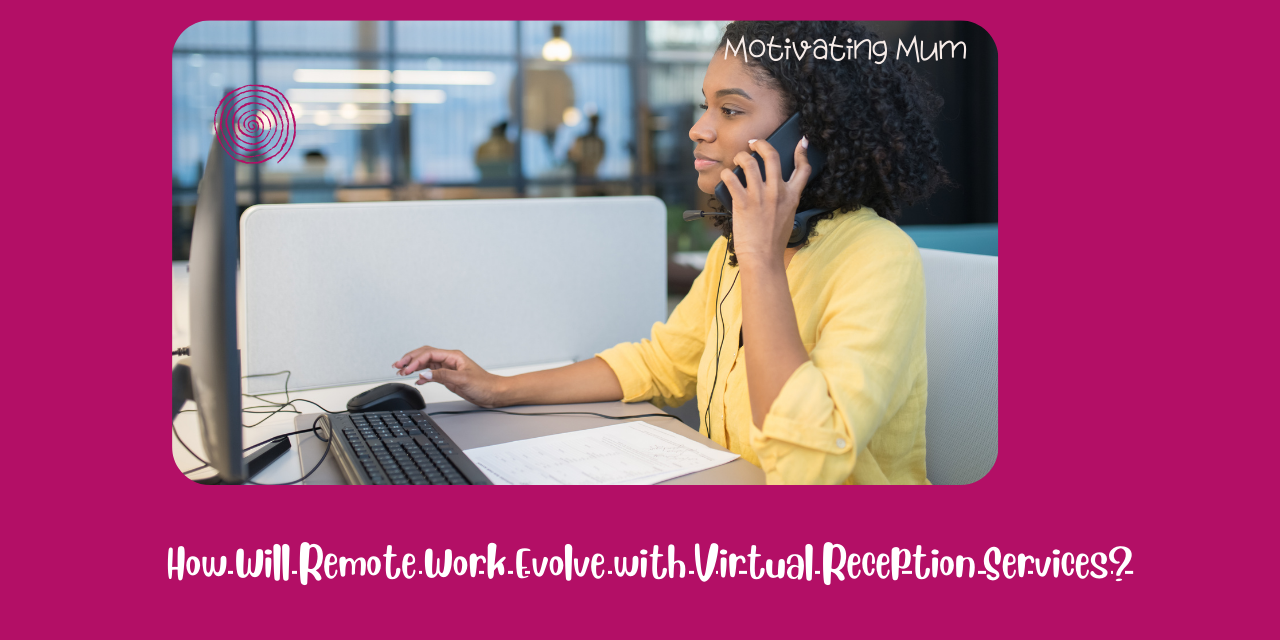
The way we work has changed significantly in recent years. Remote work, once viewed as a temporary solution, is now a permanent part of business life for many organisations. As companies look to stay flexible, reduce costs, and support their employees’ work-life balance, demand has grown for efficient, technology-driven services. Among these, virtual receptionist support has become a valuable asset, helping businesses maintain professionalism and responsiveness without relying on a physical office.
In particular, specialised services like Legal Answering have seen increasing demand from law firms and legal professionals seeking to manage client communication effectively while working remotely.
So, how is remote work likely to evolve with the help of virtual reception services? And what part do these services play in sectors that rely on reliable, professional client communication, such as the legal profession?
The Shift to Remote Work
Remote working has gone from being a contingency plan to a preferred model for many. Improvements in digital tools, communication platforms, and cloud systems have made it easier than ever for people to work from home, shared spaces, or across borders.
However, working remotely brings new challenges, particularly in how businesses present themselves to clients and manage day-to-day communication. A missed call or delayed response can make a poor impression. Clients still expect professional, friendly, and reliable service, regardless of where a team is based. This is where virtual receptionist services prove their value.
What Does a Virtual Receptionist Do?
A virtual receptionist is a trained professional who handles calls, messages, appointment scheduling, and often live chat, remotely. Unlike automated systems, these are real people who can deliver a personalised and polished experience tailored to the needs of each business.
Virtual receptionists carry out many of the same duties as an in-house receptionist, but without the need for physical office space or long-term employment costs. Services can usually be scaled up or down depending on how busy a business is, making them ideal for smaller teams, growing companies, or those with varying workloads.
Supporting Remote Teams
For fully remote or hybrid teams, consistent communication is vital. Without a central office, incoming calls and client queries can be difficult to manage. A virtual receptionist provides a reliable point of contact, making sure calls are answered professionally and messages are passed on accurately.
They also help streamline workflow by screening calls, dealing with simple enquiries, and forwarding messages to the right person. This helps staff stay focused on their core work, without being interrupted by phone calls throughout the day.

Virtual Support in the Legal Sector
The legal profession, in particular, has seen clear benefits from using virtual receptionist services. In legal work, missing a call could mean missing a new client or failing to respond to a time-sensitive issue. Legal Answering services are designed specifically for law firms, solicitors, and barristers who need professional call handling without being tied to an office.
These services understand the importance of privacy, accuracy, and professionalism. Legal virtual receptionists can take key client details, book consultations, and ensure urgent matters are handled promptly. For legal teams working remotely or in a hybrid set-up, this support helps keep client service consistent and dependable.
Legal Answering services also allow solicitors to work more flexibly while giving clients the impression of a fully staffed office. This helps build trust and confidence, both of which are essential in legal practice.
More Than a Cost-Saving Measure
While reducing staffing costs is one benefit, the real value of a virtual receptionist lies in the reliability and continuity they provide. Many services offer extended hours—or even round-the-clock coverage—meaning businesses can remain contactable outside normal office times. This is especially useful for firms with international clients or varying time zones.
Virtual receptionists also support business continuity. If a team member is on leave, in a meeting, or unavailable, incoming calls can still be handled professionally. This consistency helps businesses stay competitive and dependable.

Looking Ahead
As remote work continues to evolve, companies are becoming more thoughtful about the services they rely on. Virtual receptionist support, including specialist solutions like Legal Answering, is no longer just a convenience; it’s becoming a standard part of how remote teams operate.
By offering a reliable, human point of contact and maintaining a professional image, these services help businesses of all sizes run smoothly, even without a traditional office setup. Whether in legal services, healthcare, consultancy, or creative fields, the way forward for remote work will likely involve even greater use of virtual reception solutions.