

Let’s get one thing out of the way straight away: if your birth didn’t go how you hoped, you’re not weak, dramatic, or “failing at motherhood”. You are a human who just went through something huge, unpredictable and, frankly, heroic.
But when the birth experience leaves you shaken, emotionally, physically, or financially, the recovery isn’t just nappies, night feeds, and learning to function on crumbly bits of sleep. There’s also the bit no one puts on the baby shower banner: healing your mind and protecting your finances.
Here’s how to find your feet again without pretending everything’s fine when it really wasn’t.
You’re Allowed to Feel All of It
Birth trauma looks different for every mum. Maybe things suddenly became medical and urgent or the baby came too soon. Maybe the pain was far worse than you expected. Maybe you felt ignored or scared, or your recovery blindsided you.
There is no “valid” trauma threshold. If your experience haunts you, affects your sleep, or leaves you feeling detached or on edge – your feelings matter. Talking about it is a strength, not a failure badge.
Start gently:
- Tell someone you trust what happened, in your words
- Speak to your midwife, GP, or health visitor because birth trauma counselling is a thing and it helps
- Join postnatal support groups (real ones, not just Instagram)
You don’t have to “move on”. You move through, slowly, and with support.
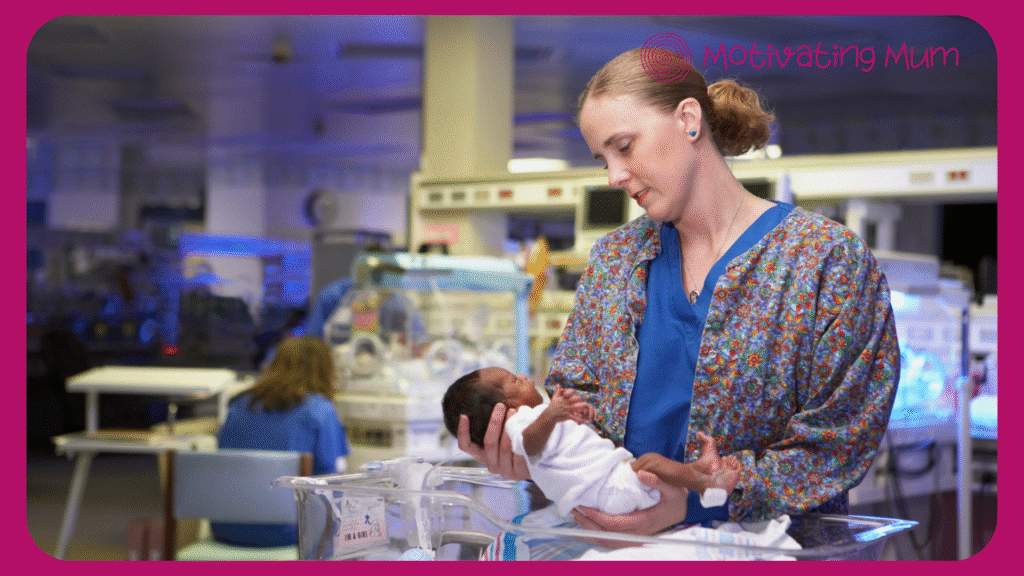
Your Financial Recovery Matters Too
A tough birth can mean unexpected costs – extra time off work, help at home, childcare for older kids, physio, mental health treatment, specialist support. And yes, that can feel overwhelming in the middle of an already life-changing moment.
If your birth experience involved medical negligence and your health or your child’s health has been affected long-term, you may want to look into birth injury claims. It’s not about “blame culture,” it’s about ensuring you and your family are supported for care, equipment, and future needs if something avoidable went wrong.
Even if you don’t want to pursue anything legal, knowing your options can take a huge weight off your mind.
Also consider:
- Statutory Sick Pay and maternity pay top-ups you might be eligible for
- Asking your health visitor about funded support services
- Speaking to your employer early about phased returns or temporary adjustments
Help exists, sometimes you just need to know where to look.
Self-Care isn’t just a Bath, It could be a Boundary
Yes, bubble baths are nice. But real healing looks like:
- Saying no to visitors when you’re exhausted
- Asking someone else to hold the baby while you shower or cry (both valid)
- Eating properly even if you have to rely on beige freezer food for a bit
- Giving yourself permission to not “bounce back”
Recovery isn’t a race. It’s a slow rebuild, and your only job is turning up each day.

You Didn’t Fail – The System Might Have
If your birth was traumatic, remember this: you did nothing wrong. You coped with what you were given. You made decisions in the thick of fear, pain, and urgency. You survived something huge.
You deserve support, dignity, and space to heal mentally and financially.
And your strength? It didn’t start when the baby arrived. It started the moment you walked into that delivery room and faced the unknown.
You’re still standing. And you’re doing brilliantly, even if it doesn’t always feel like it.


