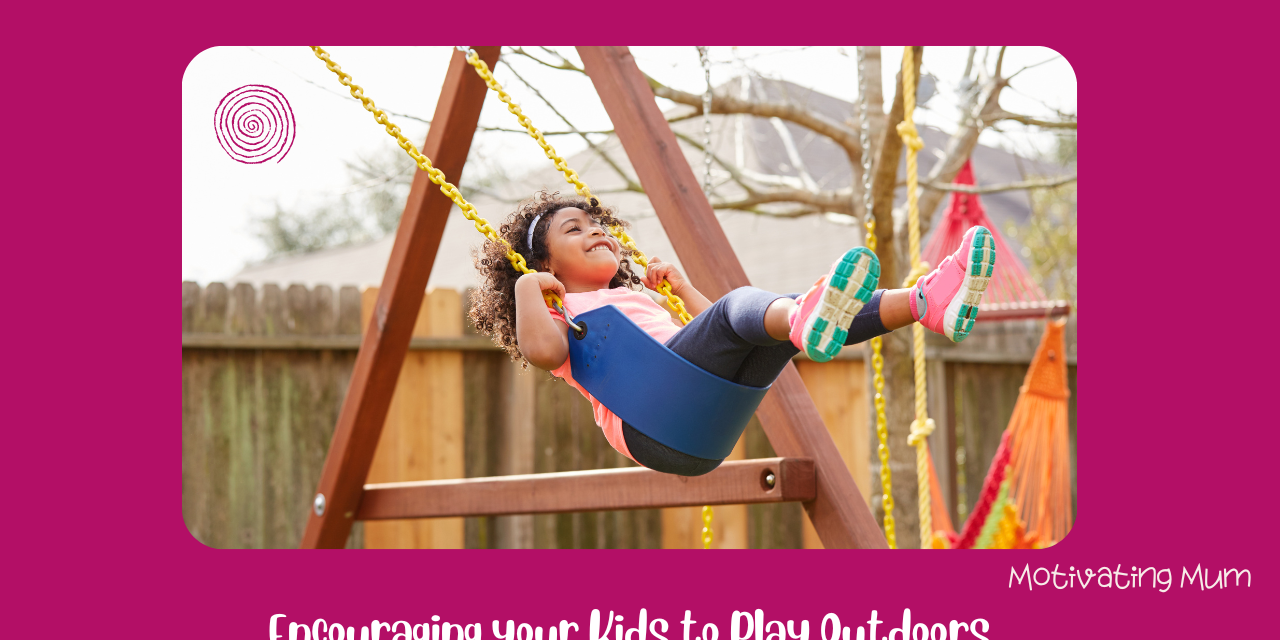
Where I’m sitting the sun is shining beautifully today, one of the very first properly warm days of spring. When I was growing up, that would signal a day spent mostly outdoors playing with whatever we could find. But lifwe seems very different now.
As parents, we all want what’s best for our children, and one of the most important aspects of their growth and development is play. Play not only entertains but also nurtures creativity, strengthens social skills, and aids in cognitive development. However, in an age where screens and digital distractions often dominate, it can sometimes be a challenge to get children engaged in traditional play activities with toys.
Fortunately, there are numerous ways to encourage your kids to step away from their devices and embrace the benefits of outdoor toys such as balançoire and jeux d’extérieur. These toys not only foster physical fitness but also provide a fun, healthy way for children to grow and learn.

Why Play is Essential for Child Development
Before delving into strategies to encourage outdoor play, it’s crucial to understand why it is so important for children’s growth. Through play, children develop physical skills, learn about social dynamics, and build problem-solving abilities. It stimulates creativity and allows them to experiment with different roles, ideas, and scenarios. Moreover, outdoor play promotes healthy physical development by enhancing motor skills, balance, and coordination.
Outdoor toys like balançoire (swings), trampolines, and jeux d’extérieur (outdoor games) engage children’s muscles, boost cardiovascular health, and offer endless opportunities for imaginative play. They not only contribute to physical growth but also provide outlets for energy and stress relief, which is increasingly important in today’s busy world.
1. Make Playtime a Family Event
One of the easiest ways to encourage your children to play with toys, such as a balançoire or trampoline, is by making it a family affair. When parents and siblings get involved, children feel more motivated to participate and are more likely to enjoy their time outdoors. For instance, on weekends or after school, plan a family play session where everyone gets involved in a game of jeux d’extérieur like football, tag, or a treasure hunt.
Children often imitate their parents, so when they see you actively enjoying outdoor play, it sets a positive example. Whether it’s a quick swing on the balançoire, jumping on the trampoline, or simply running around, your enthusiasm will inspire them to follow suit. This shared experience not only fosters physical activity but also strengthens family bonds.
2. Create a Playful Environment
Children thrive in environments that are inviting and stimulating. Transform your garden or backyard into a playful paradise by including a variety of jeux d’extérieur that cater to different interests. Adding a balançoire can be a wonderful focal point for outdoor fun. Swings not only encourage physical movement, but they can also become a place for children to daydream, relax, and develop imaginative play. Create a swing set area with bright colours, soft mats underneath for safety, and perhaps even a small seating area for parents to relax while keeping an eye on their children.
Similarly, if you have space, adding a trampoline to your yard can create endless fun. Trampolines are excellent for improving balance, coordination, and leg strength. They also provide a safe environment for children to test their physical limits, jump, tumble, and laugh without fear of injury. The act of jumping on a trampoline is a simple yet powerful form of exercise that helps to build muscle tone, improve posture, and enhance cardiovascular health. Children also get to explore their creativity while inventing different ways to jump, flip, or spin.
3. Set Specific Play Times and Encourage Routine
In today’s busy world, it’s easy for outdoor play to fall by the wayside in favour of homework, screen time, or other commitments. However, establishing a consistent play routine can help make playtime a priority in your child’s day. Set specific times for outdoor play, such as after school or in the evening, when the weather permits. By setting a regular time for activities like jumping on the trampoline or swinging on the balançoire, children are more likely to see it as an important part of their day.
Incorporating play into a daily routine also helps to develop time-management skills and teaches children how to balance various activities. Make sure to keep the playtime varied and fun. For example, one day could be dedicated to jumping games on the trampoline, while the next day, you could have a swing contest on the balançoire. Changing things up keeps the children engaged and excited for the next session.
4. Encourage Social Interaction Through Play
Children often find playing with others more enjoyable than playing alone. Therefore, encouraging your child to invite friends over for a playdate can be a great way to motivate them to engage with outdoor toys. Setting up fun challenges or games on the balançoire or trampoline can help facilitate teamwork and social interaction. For example, organise a friendly competition where the children take turns jumping on the trampoline, trying to perform the highest or most creative jump.
Another idea is to create obstacle courses using various outdoor toys. Incorporate the balançoire, trampoline, and other outdoor elements into an exciting course where kids have to jump, swing, and crawl their way through challenges. This type of play not only builds physical skills but also teaches important social skills like cooperation, communication, and fair play.
5. Use Positive Reinforcement
Children respond well to positive reinforcement, so remember to praise and encourage their efforts. When your child successfully completes a jump on the trampoline or swings high on the balançoire, offer encouragement. Compliment them on their creativity, effort, or improvement. This boosts their self-esteem and motivates them to continue engaging with the toys. Celebrate their milestones, whether it’s mastering a new trampoline trick or being able to swing by themselves. Praise helps to create a positive association with play, making it something they look forward to.
6. Incorporate Educational Play
Toys don’t just have to be fun—they can also be educational. When it comes to outdoor toys like the balançoire and trampoline, you can incorporate learning into the play. For example, use the swing to teach your child about balance and coordination, or have a race to see who can jump the highest on the trampoline. You can also teach them about time by using a stopwatch to time their jumps or swings, fostering their understanding of time and numbers.
Similarly, consider using jeux d’extérieur to teach important lessons. For example, create an outdoor scavenger hunt where kids have to find specific objects in the yard, like leaves, rocks, or flowers. This encourages observation skills and a greater appreciation of the natural world.
7. Consider getting a pet
One thing that certainly got my two children out of the house more, is that we got a dog when they were aged 9 and 7. Of course you should never consider getting a pet if you are not prepared to put in the hard work to look after them, and only if you have a home and lifestyle that will suit a pet. However my children had great fun taking our dog (now dogs!) for a walk. we fitted our spaniel with a dog GPS tracker so we could take him for longer walks with less fear of losing him. They also play fetch in the garden a lot – I’m not sure whether the dogs or the children enjoy it more.
8. Limit Screen Time and Set Boundaries
One of the most significant challenges in encouraging children to play with toys is the temptation of screens. With the proliferation of tablets, smartphones, and video games, kids are often more interested in digital entertainment than outdoor play. Set boundaries for screen time, making sure that your children understand that outdoor play is a priority. Designate specific hours for electronic devices and encourage them to engage with their toys, like the balançoire and trampoline, during other times of the day.
By setting healthy limits on screen time and modelling balanced habits yourself, children are more likely to embrace outdoor play as an essential part of their daily routine.

Conclusion
Incorporating outdoor play into your child’s daily routine has countless benefits, from boosting physical health to enhancing social and cognitive development. By creating a playful, inviting environment and incorporating outdoor toys such as the balançoire, trampoline, and jeux d’extérieur, you are not only encouraging your child to engage in healthy activities but also unlocking their potential for growth, creativity, and fun. With a little creativity, consistency, and positive reinforcement, you can help your children rediscover the joy of outdoor play and set them on a path to lifelong physical and emotional well-being.